TonicNest may earn a commission if you buy through links on this page, at no extra cost to you. That does not change what we report.
Part of our CelluCare overview. Last checked October 27, 2026.
CelluCare supplement dosage is one capsule a day, which the vendor says to take with the evening meal and half a glass of water[1][2]. Each bottle holds 30 capsules, so one bottle covers 30 days. That single capsule carries a 528 mg blend of 13 botanicals with no individual amounts, so you cannot raise or lower one herb on its own.
How do you take CelluCare?
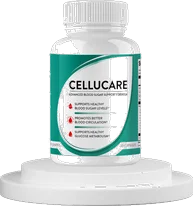
Swallow one capsule a day. The Supplement Facts label sets the serving at 1 capsule with 30 servings per container[1], and the vendor FAQ adds the timing: with the evening meal and half a glass of water[2].
The label also warns:
- not for anyone under 18
- not for pregnant or nursing women
- consult a physician if you take a medication or have a medical condition
What we infer, and the vendor does not say: taking it at the same meal each day makes a missed dose easy to spot. If you miss one, skip it rather than doubling up, since the label sets one capsule per day and no more.
The capsule shell is hypromellose, a plant-based vegetable capsule, and the other listed fillers are microcrystalline cellulose, magnesium stearate, stearic acid and silicon dioxide[1]. The label does not say whether you can open the capsule and mix the powder into food, so swallow it whole unless your pharmacist advises otherwise.
What is the right dose and timing?
The right dose is the label dose: one capsule daily, with food. No study has tested a different CelluCare dose, so taking two capsules has no evidence behind it and doubles your intake of every hidden herb.
Food matters for two reasons in our sources. Berberine and gymnema can upset the stomach[3][4]. Following the with-food direction is a sensible default if you notice that. More important, several blend herbs may lower blood sugar, which matters most for anyone on diabetes medicine. Talk to your doctor before you start if you use insulin or glucose-lowering pills.
Consistency matters more than the clock. Ingredient trials ran for weeks: banaba was studied for 12 weeks[5] and cinnamon effects showed up only after 12 weeks or more[6]. A few skipped days make any change harder to read.
How long does one bottle last?
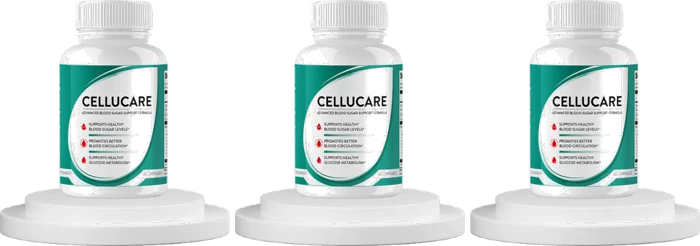
One bottle lasts 30 days at one capsule a day. CelluCare is not sold as a single bottle, so the smallest order covers 60 days. Prices below were checked October 27, 2026[1].
| Package | Capsules | Days covered | Price (checked October 27, 2026) |
|---|---|---|---|
| 2 bottles | 60 | 60 | $158 plus shipping ($79 each) |
| 3 bottles | 90 | 90 | $207, free US shipping ($69 each) |
| 6 bottles | 180 | 180 | $294, free US shipping ($49 each) |
That works out to about $1.63 a day on 6 bottles and $2.80 a day on 2 bottles with shipping. The 60-day refund window starts at purchase, so a 6-bottle order runs well past it. Prices are covered in our CelluCare price guide.
What should you avoid while taking it?
Avoid stacking CelluCare with other glucose-lowering products unless your doctor agrees. That includes separate berberine, gymnema, cinnamon or chromium supplements, since the doses add up and CelluCare does not tell you its share. Our main-site guide to berberine benefits and side effects covers that ingredient alone.
Also check with a doctor or pharmacist before combining it with:
- insulin or diabetes pills, because of the risk of low blood sugar[3]
- beta blockers or calcium channel blockers, which guggul affected in a small study[7]
- digoxin, because of eleuthero[8]
- thyroid medicine, because of chromium[9]
Cocoa extract adds a little caffeine and theobromine[10], so caffeine-sensitive people may notice it. The full list is on our CelluCare side effects page.
How do you track whether it is doing anything?
Track numbers, not feelings. The vendor says most people feel a difference after the first week, but blood sugar is measured, not felt. Keep a simple log for at least 8 weeks:
- Start date and the lot number on the bottle.
- Your baseline: fasting glucose or HbA1c from your doctor, plus weight and waist.
- Meter readings, if your doctor already has you testing, at the same times each week.
- Any side effect, with the date it began.
- Missed doses.
| When | What to record |
|---|---|
| Day 0 | Baseline glucose or HbA1c from your doctor, weight, waist, current medicines |
| Weekly | Meter readings if prescribed, weight, any side effects, missed doses |
| Before day 60 | Repeat baseline numbers and decide whether to keep going or request a return |
Repeat the baseline numbers before day 60, so you can decide inside the refund window. The refund needs an approved return authorization within 60 days, and return postage is yours to pay.
When should you stop and talk to a doctor?
Stop CelluCare and call your doctor if anything below appears. See a doctor right away if you have:
- shaking, sweating, confusion or a racing heart, possible signs of low blood sugar
- meter readings below the range your doctor set
- yellow skin or eyes, or dark urine
- a rash, swelling or trouble breathing
- an irregular heartbeat
Never cut or stop a prescribed diabetes medicine to make room for CelluCare.
How to take it: our summary
Use this checklist before and during your first bottle:
- Ask your doctor first if you take any diabetes, heart, thyroid or blood pressure medicine.
- Take 1 capsule daily with the evening meal and half a glass of water.
- Never take more than one capsule a day.
- Skip other glucose-lowering supplements unless your doctor approves.
- Log baseline numbers and recheck them before day 60.
Why the evidence is thin is explained in does CelluCare really work.
Back to the CelluCare overview.
Frequently asked questions
How many CelluCare capsules should I take a day?
One. The label serving is 1 capsule, with 30 servings per bottle, and the vendor FAQ says to take it with the evening meal and half a glass of water. No study supports taking more, and two capsules double every hidden herb dose.
Can I take CelluCare in the morning?
The vendor FAQ names the evening meal. If a morning meal suits you better, the main point is taking it with food at the same time daily. Ask your doctor about timing if you take diabetes medicine.
Can I take CelluCare with metformin?
Talk to your doctor first. Berberine, gymnema, banaba and other blend herbs may lower blood sugar, which adds to metformin and other diabetes medicines and raises the risk of lows. Never change your prescription on your own.
How long should I take CelluCare before deciding?
Ingredient trials ran around 12 weeks, but the refund window is 60 days from purchase. Record baseline numbers with your doctor, then recheck before day 60 so you can still request a return authorization.
What happens if I miss a CelluCare dose?
Skip the missed capsule and take the next one with your usual evening meal. Do not double up, since the label sets one capsule a day. Note the missed day in your log so it does not skew your results.
Sources
- CelluCare sales page, price grid and Supplement Facts label image. CelluCare vendor, read October 27, 2026.
- CelluCare contact page and FAQ. CelluCare vendor, read October 27, 2026.
- Overview of systematic reviews on berberine, including glucose in type 2 diabetes. PubMed, read October 27, 2026.
- LiverTox: Gymnema. NIH National Library of Medicine, read October 27, 2026.
- Banaba extract in metabolic syndrome, randomized controlled trial. PubMed, read October 27, 2026.
- Cinnamon and body composition, dose-response meta-analysis. PubMed, read October 27, 2026.
- Gugulipid and the bioavailability of propranolol and diltiazem. PubMed, read October 27, 2026.
- Siberian ginseng (eleuthero). Memorial Sloan Kettering Cancer Center, read October 27, 2026.
- Chromium fact sheet for health professionals (archived copy). NIH Office of Dietary Supplements, read October 27, 2026.
- Theobromine and caffeine content of cocoa products. PubMed, read October 27, 2026.
This page is general information, not medical advice. Dietary supplements are not reviewed by the FDA for safety or effectiveness before they are sold and are not intended to diagnose, treat, cure or prevent any disease. Talk to your doctor before taking any supplement, especially if you are pregnant, nursing, take medication or have a health condition.